 Skip to content





























The Quiet Emotional Journey of Pregnancy

Before the Baby Arrives, a Mother Is Born
Pregnancy is often described as a time of joy, anticipation and new beginnings. But beneath the excitement, there can be quieter emotions that are harder to put into words.
You may feel deeply connected to the baby growing inside you while also missing the person you were before pregnancy. You may feel grateful for the changes happening in your life and, at the same time, overwhelmed by everything that feels unfamiliar.
These feelings can coexist, and experiencing them does not make you any less excited about becoming a mother.
Motherhood is a journey of profound love and self-discovery. It can teach you patience, change your priorities and help you discover strengths you never knew you had. It can also challenge your beliefs, reshape your relationships and encourage you to see the world differently.
But becoming a mother is a process, not a single moment. It takes time to adjust to the changes, understand your emotions and find your footing in this new chapter of life.
Pregnancy is more than a physical transformation. It can also be a period of emotional change, self-discovery and adjustment to a new identity. Some days feel heavy, others feel lighter, and sometimes, you may experience a little bit of everything at once.
TL;DR: Pregnancy is not just a physical change; it can also bring an emotional and personal transformation. If you feel overwhelmed, uncertain or caught between excitement and nostalgia for your old life, you're not alone. Becoming a mother takes time, and you deserve the patience, care and compassion to navigate this journey at your own pace.
Understanding the Emotional Changes During Pregnancy
As you prepare for motherhood, you may notice changes in how you see yourself, your relationships and your priorities. You might feel excited about the person you are becoming while also missing certain parts of your old life.
There can be a quiet sense of loss in leaving familiar routines and identities behind, even when the changes are deeply wanted. At the same time, there is curiosity about what lies ahead.
These emotions may appear together, come and go, or not arise at all. Every pregnancy is different, and there is no single way to experience the journey towards motherhood.
So, what are some of the emotional experiences expecting mothers may encounter? Why do these feelings arise, and what can help you navigate them?
Let's explore.
1. Feelings of Loneliness: When You Feel Alone, Even Around People
Pregnancy can sometimes feel lonely, even when you are surrounded by family and friends.
People may offer plenty of advice about the baby, the delivery and what to expect after birth. Yet, amid all these conversations, the mother's own feelings can sometimes take a backseat. Everyone may be excited about meeting the baby, while the woman carrying the baby may simply want someone to ask how she is doing.
This can leave expecting mothers feeling unseen or unheard, even when they have people around them who genuinely care.
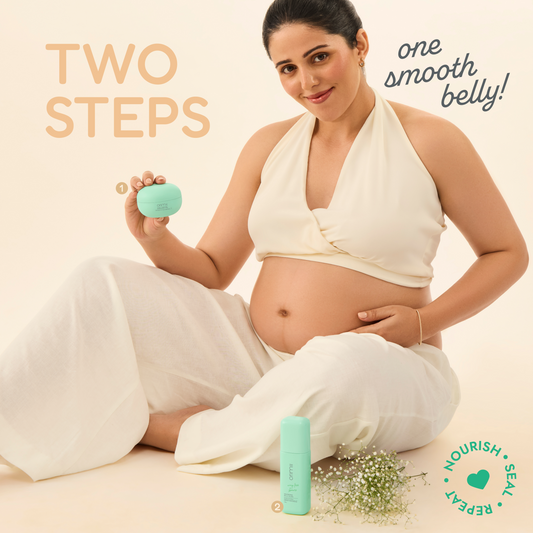
Alongside these emotional changes, pregnancy can also bring a different relationship with your body. Your body begins to change in ways you may not have anticipated. Your clothes may fit differently, your skin may feel drier, and you may notice changes in your appearance as your pregnancy progresses.
While these changes are a natural part of pregnancy, adjusting to them can take time. You may find yourself looking at your body differently, learning to embrace new changes while missing the familiarity of how things used to be.
It is important to remember that you do not have to love every change immediately. You can appreciate what your body is doing while still taking time to adjust to how it looks and feels.
And if you feel lonely, remember that you deserve emotional support, too. Sometimes, what you need is not another piece of advice but someone who listens without judgement.
2. The Mental Load: When There Is More to Pregnancy Than Meets the Eye
The mental load refers to the often-invisible work involved in planning, organising and remembering the things that keep everyday life running.
Even when partners share household chores, one person may still carry a larger share of the responsibility for remembering what needs to be done, planning ahead and making sure everything happens.
For example, preparing a meal may involve more than cooking. Someone has to plan what to make, check the groceries, remember what is running out and ensure everything is ready on time.
During pregnancy, this mental load can become even more noticeable. Alongside everyday responsibilities, there may be medical appointments, baby preparations, changing routines and concerns about the future.
It is understandable to want your partner to notice what needs to be done and step in without having to be reminded every time.
This is where open communication and shared responsibility become important. Supporting an expecting mother is not just about helping when asked; it is also about recognising what needs attention and taking initiative.
You deserve to feel supported, not as though you have to manage every detail while preparing for one of the biggest transitions of your life.
3. Connection vs Comparison: Navigating Pregnancy in the Age of Social Media
Social media can be a wonderful place to find connection, information and community during pregnancy. It can help you discover other women going through similar experiences and remind you that you are not alone.
But it can also become a source of comparison.
You may see someone enjoying an active pregnancy, sharing beautiful maternity photographs or receiving constant support from their partner and family. Without realising it, you might begin comparing their experience with your own.
Why does her pregnancy look so effortless? Why don't I feel as energetic? Does everyone else have a stronger support system than I do?
These thoughts can quietly create expectations that may not reflect the reality of your own journey.
Remember, what you see online is only a small part of someone's life. You rarely see the difficult moments, the uncertainty or the emotions that exist beyond the photograph.
Your pregnancy does not have to look like someone else's to be meaningful.
If certain accounts leave you feeling anxious, inadequate or overwhelmed, give yourself permission to take a break. Mute content that triggers comparison, follow voices that make you feel supported and spend more time connecting with people who understand your experience.
You do not have to measure your pregnancy against someone else's highlight reel. Your journey deserves to unfold in its own way.
How to Take Care of Your Emotional Well-Being During Pregnancy
Every transformation involves adjustment. Even when a change is deeply wanted, it can bring uncertainty, unfamiliar emotions and moments of overwhelm.
You do not have to navigate every feeling perfectly. Instead, small, intentional steps can help you feel more supported as you prepare for motherhood.
Here are a few ways to care for your emotional well-being during pregnancy.
1. Acknowledge Your Feelings Without Judging Them
You can be excited about your baby and still feel anxious about the future. You can feel grateful for your pregnancy and still miss your old routines or independence.
