 Skip to content









10 Natural Home Remedies for Cracked Nipples Every New Mom Should Know

10 Home Remedies for Cracked Nipples During Breastfeeding
Breastfeeding can help create a beautiful and meaningful bond between a mother and her newborn. However, some mothers experience nipple soreness, irritation, or cracking during this journey, which can make feeding uncomfortable.
Cracked nipples can have several causes, including an improper latch, friction, or skin irritation. While gentle care may help ease discomfort, persistent or severe symptoms should be assessed by a healthcare professional or lactation consultant.
In this article, we’ll explore practical ways to manage sore and cracked nipples during breastfeeding, along with tips to support healing and make feeding more comfortable.
Natural Ways to Manage Cracked Nipples During Breastfeeding
1. Check Your Baby’s Latch
An improper latch is a common cause of nipple pain and damage. Ensuring that your baby attaches comfortably to the breast can help reduce friction and prevent further irritation.
Here are a few tips:
-
Hold your baby close to your body, with their nose level with your nipple.
-
Gently encourage your baby to open their mouth wide before bringing them to the breast.
-
Aim for a deep, comfortable latch, with your baby’s lips turned outward.
-
If feeding is painful or your nipples appear flattened or damaged afterward, seek help from a lactation consultant.
A comfortable latch can help reduce nipple trauma and make breastfeeding easier.
2. Feed Your Baby Responsively
Feed your baby according to their hunger cues rather than unnecessarily delaying feeds. Frequent, responsive feeding can help your baby receive adequate milk and may prevent excessive breast fullness.
If feeding is consistently painful, do not simply try to endure it. A healthcare professional or lactation consultant can help identify the cause and suggest appropriate adjustments.
3. Practise Gentle Nipple Care
Gentle care can help prevent additional irritation while your nipples heal.
-
Keep the area clean: Wash gently with water and avoid harsh soaps, alcohol-based products, and fragranced cleansers.
-
Avoid unnecessary friction: Choose soft, breathable clothing and nursing bras that fit comfortably.
-
Change damp nursing pads: Replace them regularly to reduce prolonged moisture and irritation.
-
Avoid excessive washing: Overwashing can dry out and irritate sensitive skin.
If your nipples are cracked or bleeding, seek professional advice about suitable treatment.
4. Try a Warm Compress for Comfort
A comfortably warm compress may provide temporary relief from discomfort. Use a clean cloth and ensure it is not hot enough to burn your skin.
Avoid prolonged heat or anything that worsens irritation. If you have breast swelling, redness, fever, or increasing pain, seek medical advice rather than relying on compresses alone.
5. Use a Cool Compress for Soreness
A cool compress may help ease temporary nipple discomfort after feeding.
Wrap a cool pack in a clean, soft cloth and apply it briefly. Never place ice directly on your skin, and stop if the cold causes additional discomfort.
6. Choose Appropriate Nipple Moisturisers
If your nipples are dry or cracked, a healthcare professional may recommend a suitable nipple moisturiser or barrier ointment.
Choose products specifically intended for use during breastfeeding, and follow the product instructions regarding whether they need to be removed before feeding.
Avoid assuming that every natural oil or skincare ingredient is safe for a newborn to ingest. Check with a healthcare professional before applying unfamiliar products to the nipple or areola.
7. Be Careful with Aloe Vera and Other Home Remedies
Although aloe vera, coconut oil, olive oil, and other natural ingredients are commonly suggested for skin care, they should not automatically be considered safe or effective treatments for cracked nipples during breastfeeding.
Products applied to the nipple may come into contact with your baby’s mouth. Consult a healthcare professional before using these remedies, particularly on broken or irritated skin.
8. Avoid Applying Honey to Your Nipples
Honey should not be used as a home remedy on nipples during breastfeeding because it can expose an infant to harmful bacteria if ingested.
If you are considering a topical treatment for cracked nipples, ask a healthcare professional to recommend an appropriate option.
9. Choose Comfortable Nursing Pads and Bras
Soft, breathable nursing pads can help absorb leaking breast milk and reduce friction against clothing. Change damp pads regularly and choose a supportive bra that does not press tightly against your breasts.
If a particular pad or fabric causes itching or irritation, discontinue its use and consider a gentler alternative.
10. Seek Professional Advice When Needed
Nipple pain that persists, worsening cracks, bleeding, unusual discharge, or signs of infection should not be ignored.
Contact a healthcare professional or lactation consultant if symptoms do not improve, if feeding remains painful, or if you are concerned about your baby’s latch or milk intake.
Seek prompt medical attention if you develop fever, spreading breast redness, significant swelling, or worsening pain.
Conclusion
Cracked nipples can make breastfeeding uncomfortable, but the right support and gentle care can help you manage the discomfort and address its underlying cause.
Focus on a comfortable latch, gentle skin care, suitable moisturising products, and professional guidance when needed. Avoid unverified home remedies, especially products that could enter your baby’s mouth.
Every breastfeeding journey is different, and persistent nipple pain deserves attention rather than being treated as something you simply have to tolerate.
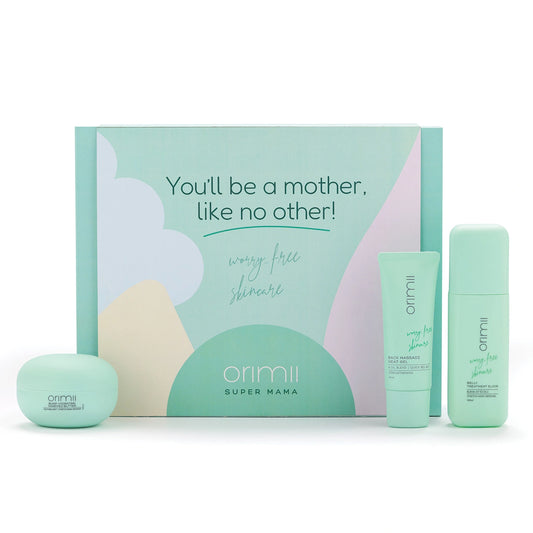
Taking care of yourself is an important part of caring for your baby. If you are looking for skincare products during pregnancy or breastfeeding, explore Orimii’s skincare collection and consult your healthcare professional about products suitable for your individual needs
